Protein Coffee at Tim Hortons: Is It Actually Worth It?
Tim Hortons now serves protein lattes with 20g protein per medium. Here's an honest breakdown of the macros, taste, and how it compares to other options.
Protein Coffee at Tim Hortons: Is It Actually Worth It?
If you've been searching for "protein coffee Tim Hortons," you're not alone. It's one of the most searched coffee terms in Canada. And unlike a year ago, there's actually something to find now.
In fall 2024, Tim Hortons launched a lineup of protein lattes across Canada. Hot and iced, made with lactose-free high-protein milk, available at thousands of locations. For anyone who's been hacking together protein coffee with powder packets and parking lot Blender Bottles, this is legitimately good news.
But is it actually worth ordering? Let's break it down.

What Tim Hortons Offers
Tim Hortons now has dedicated protein lattes on the menu, both hot and iced. They're made with a lactose-free, high-protein dairy beverage rather than regular milk or protein powder. That's an important distinction because it means the texture is smooth and there's no chalky aftertaste.
Here's what you're getting with a medium hot Protein Latte: 170 calories, 20 grams of protein, 10 grams of carbs, and 6 grams of fat. The iced version comes in slightly higher at around 230 calories with 17 grams of protein for a medium.
You can also add the high-protein milk to other drinks on the menu, including regular coffee, tea, Cold Brew, and Iced Capps. That flexibility is a nice touch if you're not in the mood for a latte but still want the protein boost.
Pricing sits in the mid-range for Tims: $3.99 for a small, $4.49 for a medium, and $4.99 for a large. That's only about 30 to 50 cents more than a regular latte.
How It Actually Tastes
Here's where Tim Hortons surprised people. Most protein coffee attempts taste like someone dumped a scoop of powder into a cup and hoped for the best. The Tims version doesn't.
Because they're using filtered milk instead of adding protein powder, the drink tastes almost identical to a regular latte. It's smooth, slightly creamy, and there's no weird aftertaste or gritty texture. Multiple reviewers, including a sport dietitian who expected the worst, came away genuinely impressed.
If you've avoided protein coffee because of bad past experiences, this one's worth a shot.
Who It's Good For
The Tim Hortons Protein Latte makes sense for a few specific situations.
If you're someone who already stops at Tims regularly and wants an easy protein boost without changing your routine, this is a no-brainer. It's convenient, affordable, and the macros are solid.
If you struggle to hit your protein goals at breakfast, swapping your regular latte for the protein version is an easy win. You're not adding a new habit, just upgrading an existing one.
If you're lactose intolerant but still want dairy protein, the lactose-free base is a genuine benefit. You get the protein without the digestive issues.
And if you just want something that tastes good and happens to have 20 grams of protein, this delivers. It's not a meal replacement and it's not magic, but it's a solid option.
Where It Falls Short
No product is perfect, and there are a few things worth noting.
The iced version has more calories and less protein than the hot version. At 230 calories for 17 grams of protein, it's still decent, but the hot latte is more efficient if you're watching your intake closely.
Customization is limited. You can add flavour shots, but if you want alternative milks like oat or almond with the same protein content, that's not currently an option. The high-protein milk is dairy-based, so it won't work for anyone avoiding animal products entirely.
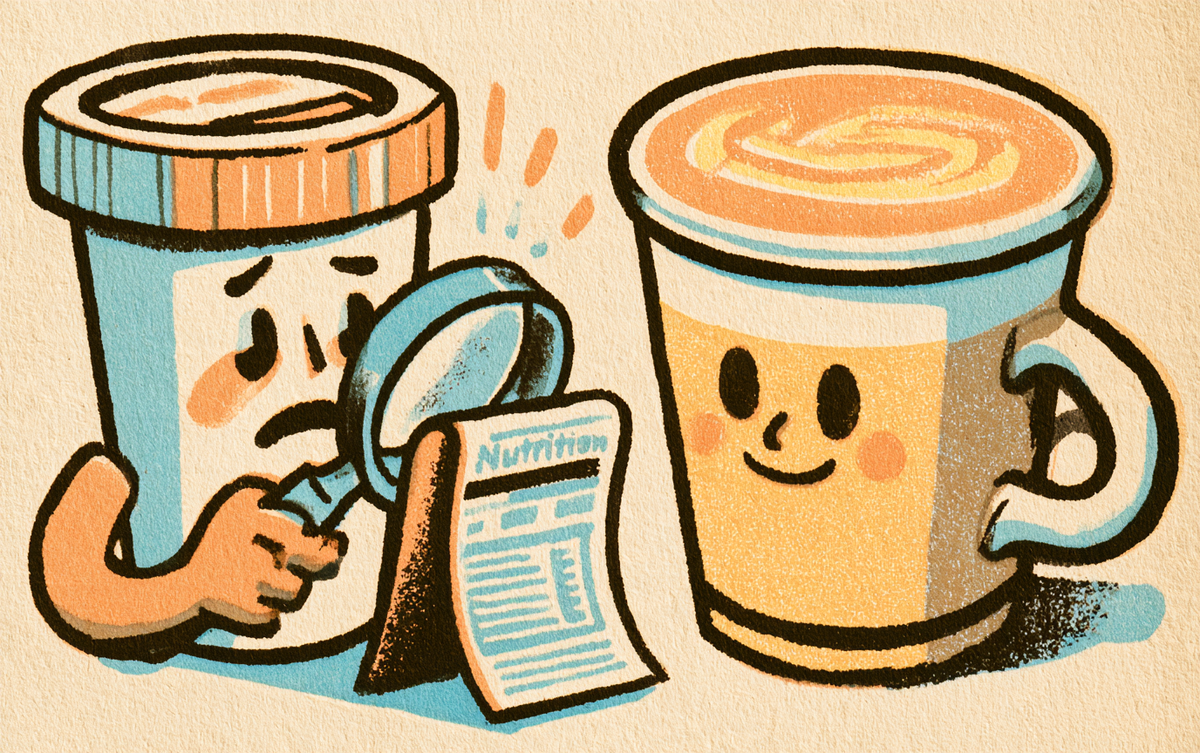
Ingredient transparency is minimal. Tim Hortons doesn't publish detailed sourcing information, so if you care about where your milk comes from or whether it's organic, you're mostly in the dark.
And while the convenience is great, you're still limited to Tims locations. If you're at a gym, an event, or somewhere without a drive-thru nearby, you're out of luck.

How Buffee's Compares
Full transparency: we run Buffee's, a mobile espresso cart built specifically for the fitness community in Toronto. So take this comparison with that context in mind.
Our approach starts from the same place as Tim Hortons. We use ultrafiltered milk as our base, specifically Fairlife, which gives us a similar protein-to-calorie ratio. A standard Buffee's latte hits 20 to 25 grams of protein and stays under 150 calories.
Where we differ is in the details.
We offer organic soy as an alternative for anyone who wants plant-based protein without sacrificing the macros. We publish full ingredient and nutrition information for every drink so you know exactly what you're getting. And because we're mobile, we come to you, whether that's a gym, a fitness event, or a weekend market.
We're also a local Toronto business, not a multinational chain. If supporting local matters to you, that's part of the equation.
Is Buffee's better than Tim Hortons? For some people, yes. For others, Tims is more convenient and that convenience wins. Both are legitimate options, and honestly, the fact that protein coffee is becoming mainstream is good for everyone.

The Bottom Line
Tim Hortons did something right here. The Protein Latte is affordable, widely available, and tastes like an actual latte. If you're already a Tims regular and want more protein in your morning, it's an easy upgrade.
For people who want more customization, full transparency, or plant-based options, there's room for alternatives. That's exactly why we built Buffee's.
But credit where it's due: Tim Hortons made protein coffee accessible to millions of Canadians. That's a win for anyone trying to hit their macros without sacrificing their morning routine.